Thermal Underwear for Hiking: How to Choose Thermal Clothing for Travel
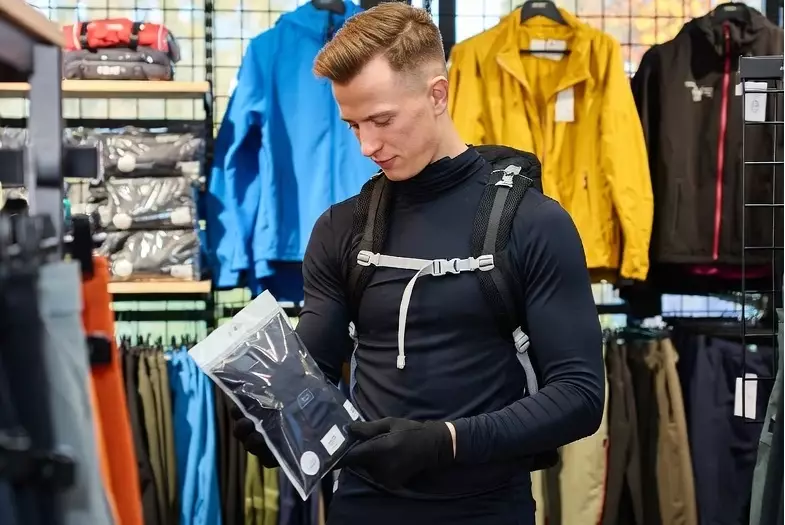
The system is simple: one layer wicks away sweat, the second keeps you warm, and the third protects you from bad weather. The first layer is base underwear, often called thermal underwear. And this is where a common mistake lies (many write about it, but a good choice of modern thermal underwear already takes these nuances into account): the prefix "thermo" means not heating, but thermoregulation. That is, its task is not so much to warm you as to effectively wick away the moisture released by the body during movement. The second, middle layer serves as insulation: it retains the heat generated by your body. And the third, outer layer is a protective shell that keeps wind and precipitation from reaching you. The flexibility of this system makes it possible to adapt instantly to changes in weather or activity level simply by removing or adding one of the elements.
Let's look at the first layer — base underwear. Here one iron rule applies: avoid cotton at all costs. It absorbs sweat well, but dries slowly. It is worth remembering that water conducts heat 23 times faster than air — so wet fabric instantly turns into a cold compress and "steals" heat. Instead, you choose between merino wool and modern synthetics. Merino is a unique natural material. (Prominent examples of such clothing, for instance products from Icebreaker, have earned their popularity precisely because of merino's properties.) Its fine fibers do not irritate the skin, it wicks moisture away superbly and, most importantly, continues to warm even when wet. In addition, it has natural antibacterial properties, which are invaluable on multi-day hikes. Synthetic fabrics such as polyester or polyamide are the choice for those seeking maximum lightness and quick drying. They are ideal for very intense exertion, for example running or fast ascents.
Next comes the middle, insulating layer. Its classic representative is fleece. This lightweight, lofty fabric, whose properties resemble artificial wool, retains heat well, "breathes" and practically does not absorb moisture. More technical versions of it, such as Polartec, offer an even better warmth-to-weight ratio. For very cold conditions or for extra insulation during stops, lightweight down vests or sweaters are often used. Down is an unsurpassed insulator, but it has a significant drawback: when it gets wet, it completely loses its properties.
Finally, the outer layer. Its job is to protect you from bad weather. The choice here depends on the conditions. For active movement in dry but windy weather, windproof stretch jackets are ideal (they are sometimes called "softshell"). These are breathable materials that protect against wind and light precipitation. If heavy rain or wet snow is expected, you cannot do without a reliable membrane jacket. A membrane is a technological film with microscopic pores: they are too small to let raindrops in from outside, but large enough to let vapor molecules out from inside. This way, you stay dry both from rain and from your own sweat.
Special attention should be paid to the head. We lose a significant amount of heat through an uncovered head, so a warm hat is an essential item on any trip. The choice of materials here is similar to the base layer: merino wool will keep you warm even in damp weather, fleece is light and dries quickly, and acrylic is a simple and low-maintenance option. For strong wind or frost, a balaclava is indispensable, as it also protects the face and neck.
Of course, clothing should be chosen according to the activity. For a mountain hike, a full three-layer set will be needed. For skiing or snowboarding, the emphasis is on warm thermal underwear and a middle layer under a membrane jacket, as well as a thin hat that fits under a helmet. For running or cycling in autumn, light synthetic underwear and a windproof jacket are enough. Mountaineering and difficult ascents require the most technical and reliable solutions in all layers. But even for a relaxed camping trip, warm wool underwear and a fleece top will make an evening by the fire much more pleasant.
In the end, proper gear is not one "magic" jacket, but a well-thought-out system in which each element works in harmony with the others. Caring about this is not a small detail, but a key part of preparation. Travel safely.