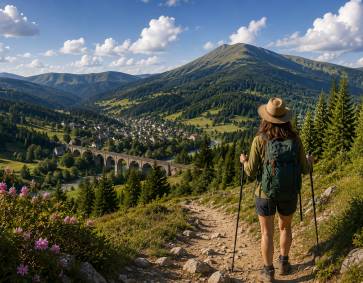
Features of Extreme Tourism Insurance: Mountaineering, Diving, Skiing
In today’s world, extreme tourism is becoming increasingly popular. Mountaineering, diving and skiing attract people not only with adrenaline, but also with the chance to step beyond everyday life. These activities carry higher risks that are not covered by standard travel insurance. A standard policy does not work here; such trips require separate insurance coverage, and it is important to understand this at the planning stage.

What is extreme tourism insurance
A specialized policy designed for travelers who take part in high-risk active recreation is tourism insurance related to extreme recreation. Unlike basic travel insurance, it covers not only medical care, but also search and rescue operations, transport of the injured person, repatriation and legal support if needed.
It is very important not to hide from the insurance company the fact that you are planning high-risk activities. Concealed circumstances can become grounds for refusing payment, even if the insured event has occurred. You must inform the insurance company in advance about the nature of the trip and choose the appropriate tariff.
Insurance for mountaineering
Mountaineering is one of the most dangerous types of tourism. During climbs, the risks increase with altitude and route difficulty. A travel insurance policy for mountaineering should cover treatment for injuries, helicopter evacuation from hard-to-reach areas and search and rescue operations. Separate attention should be paid to the maximum altitude at which the insurance remains valid. Usually this is 4 000–4 500 meters, but for higher ascents an extended contract is required.
Insurance for diving
Diving involves the risk of serious injuries such as barotrauma and decompression sickness. In addition to medical care, quality travel insurance for diving includes transport to a clinic and treatment in a hyperbaric chamber. In some cases, the policy also covers loss of or damage to equipment. It is worth remembering that insurers often require an international PADI certificate or an equivalent. Without confirmation of qualifications, the insurance payment may not be made.
Insurance for skiing
Skiing and snowboarding often lead to injuries ranging from sprains to fractures. The insurance policy should cover treatment, evacuation from the mountains, transport to hospital and rehabilitation. If it is about freeride or heliboarding, it is worth checking in advance whether these activities are covered by the contract. Usually, basic policies are limited to skiing only on prepared trails.
What to look for when taking out a policy
When choosing insurance for high-risk tourism, it is worth reading the contract carefully and paying special attention to the important points. First of all, pay attention to the amount of coverage. For extreme sports, it should be higher than for ordinary trips — from 30 to 50 thousand euros. Equally important is whether or not there is an excess, since sometimes the insurance company may cover not the full amount of expenses, but only part of them. The territory covered by the travel insurance policy should also match your route: make sure the insurance is valid not only in the country of stay, but also in specific regions.
It is essential to inform the insurance company about plans to engage in high-risk sports. Without this, any attempts to receive compensation may prove unsuccessful.
How much does insurance for extreme tourism cost
The cost of the policy depends on the type of sport, the country, the length of the trip and the amount of coverage. On average:
- Mountaineering: from 5 to 15 euros per day
- Diving: from 4 to 12 euros per day
- Skiing: from 3 to 10 euros per day
The price increases if you list several risky activities in the policy or plan a trip to countries with a high level of danger.
Common mistakes when taking out insurance
The most common mistake is using standard travel insurance without specifying extreme tourism. The second serious mistake is not paying attention to the contract terms and ignoring coverage limits. Often travelers do not clarify the territory covered by the policy or assume that standard insurance works in any circumstances. Another issue is turning to little-known insurance companies without checking their license and reviews. This can lead to problems when receiving assistance abroad.
Ratings of insurance companies in Ukraine
Among the most reliable companies, according to customer and market expert reviews and data from online travel insurance services, it is worth noting ARX, VUSO, TAS, “European Travel Insurance” and UNIQA. All of them offer policies covering extreme sports and have high financial reliability ratings.
Conclusions and advice from experts
Extreme tourism insurance is not a formality, but a necessity. Always study the contract in detail, choose a policy with the broadest possible coverage and make sure the insurance company has a license. Keep the insurer’s contacts and learn the rules for calling emergency assistance before you travel. This will help you avoid unpleasant surprises and focus on the main thing — getting vivid impressions.