
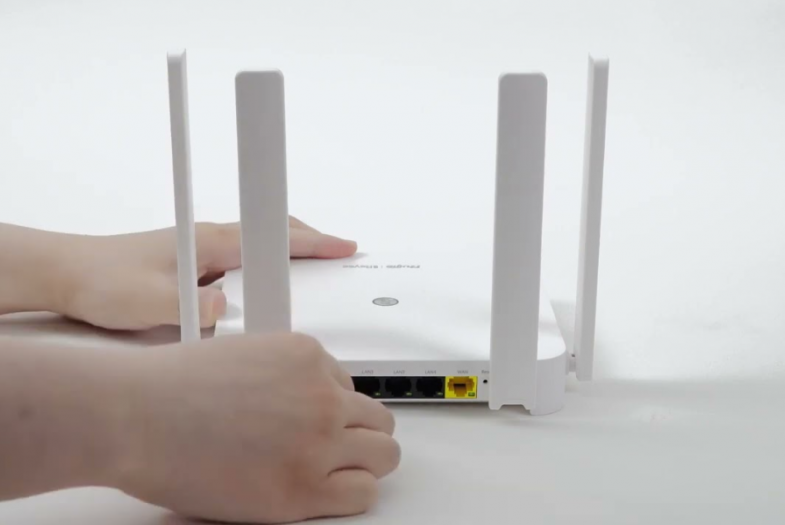
Technological progress in wireless networking does not stand still, and the Wi-Fi 6 standard has been on the market for several years. Many users ask themselves: is it really necessary to replace a router that is still working reliably with a newer model that supports the sixth generation? The range of Click.ua includes both previous-generation routers and the latest Wi-Fi 6 models, making it possible to compare their features and understand the real difference. The answer to this question depends on specific usage scenarios, the number of devices on the network, and plans for the near future. Understanding the technical advantages of the new standard will help you make an informed decision.
Key differences between Wi-Fi 6 and previous generations
The Wi-Fi 6 standard, officially known as 802.11ax, has brought several revolutionary changes to wireless networking. The most noticeable difference is the increased data transfer speed, which theoretically reaches 9,6 Gbit/s versus 3,5 Gbit/s in Wi-Fi 5. However, the real advantage is revealed not so much in maximum speed as in stable performance at high connection density.
OFDMA technology divides channels into smaller subchannels, making it possible for the router to serve several devices at once without a queue. If Wi-Fi 5 processes requests sequentially, Wi-Fi 6 works in parallel, significantly reducing delays. Target Wake Time optimizes the power consumption of connected gadgets — the router agrees with devices on a specific time for data transmission, which is especially useful for smart sensors and IoT devices. BSS Coloring solves the problem of interference from neighboring networks by marking data packets and ignoring other signals even on the same channel.
MU-MIMO support in Wi-Fi 6 has been expanded to 8 devices simultaneously at 5 GHz and 4 devices at 2,4 GHz, whereas Wi-Fi 5 was limited to 4 devices only at 5 GHz. This is critical for homes with a large number of connected gadgets — from smartphones and laptops to smart speakers, video surveillance cameras, and home automation systems.
Who will really feel the difference
Not all users benefit equally from switching to Wi-Fi 6. The technology reveals its potential under specific conditions:
- Households with 10+ active devices on the network will notice a significant improvement in stability and speed.
- Gamers will appreciate reduced latency and the absence of ping drops when other devices are operating at the same time.
- Remote workers with high-quality video conferences need a reliable connection without interruptions.
- Owners of smart homes with many IoT devices will get optimized power consumption and more stable control.
If your network includes only a few devices that are used one after another rather than simultaneously, switching to Wi-Fi 6 will not bring noticeable benefits. A Wi-Fi 5 router will handle basic tasks — video, browsing, and working with documents — without any problems. However, it is worth considering that new smartphones, laptops, and tablets already support Wi-Fi 6, and investing in a modern router makes sense from a long-term perspective.
Practical scenarios for upgrading
The decision to upgrade a router should be based on an objective analysis of the current situation. A step-by-step approach will help determine whether the investment is worthwhile:
- Assess the number of simultaneously active devices on your network during a typical day of use.
- Check whether your main gadgets support the Wi-Fi 6 standard — this can be found in the device specifications.
- Analyze whether speed or connection stability problems arise under heavy network load.
- Take into account plans for the next 2–3 years — buying new devices will make Wi-Fi 6 more relevant.
- Compare the age of your current router — if it is more than 4–5 years old, an upgrade will be justified even in terms of overall reliability.
For apartment buildings with a high density of wireless networks, Wi-Fi 6 offers an additional advantage thanks to better performance in interference-heavy conditions. BSS Coloring technology effectively filters neighboring signals, improving performance even on busy channels. Routers with Wi-Fi 6 support, such as Ruijie RG-EW3200GX PRO or TP-Link Archer AX55, are already available and offer a noticeable improvement in user experience.
Read more
- Top-5 tips on how a girl should prepare for a vacation
- Fishing Line: How to Choose the Ideal Option for Your Catch
- WISH AQUA&SPA RESORT – a space of harmony, renewal and true comfort
- TOP-5 reasons to take wireless headphones on a trip
Reviews (0)
No reviews yet. Would you like to leave the first review?